
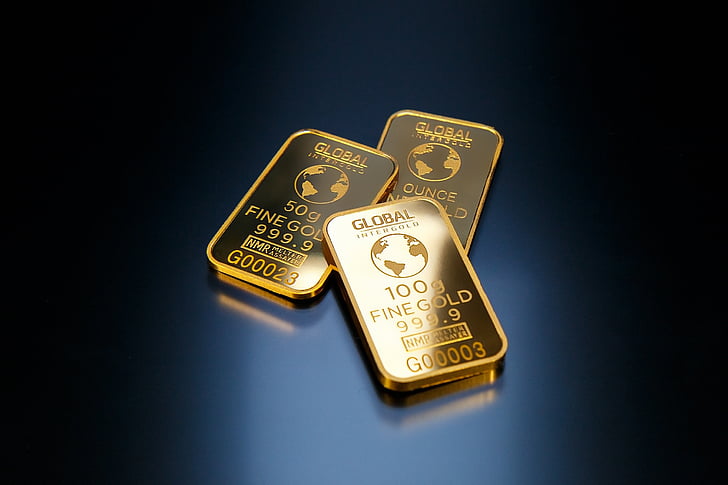
The Big Picture: As of late January 2026, gold has shattered the $5,100/oz barrier and silver has breached the historic $100/oz milestone. For Washington, this isn’t just a commodity rally—it is a blaring alarm bell signaling a crisis of confidence in the U.S. dollar and a strategic opening for Beijing.
Why it Matters: The U.S. economy and its global influence rely on the dollar’s “exorbitant privilege” as the world’s primary reserve and trade currency. Rapidly rising gold prices act as a “fever thermometer” for the dollar; when the price spikes, it suggests the patient (the USD) is losing its grip on global trust.
1. The Dollar’s Silent Rival
Gold is the “anti-dollar.” When central banks and investors flock to bullion, they are actively divesting from U.S. Treasury assets.
- The Funding Gap: Following the $3.4 trillion “One Big Beautiful Bill” (OBBBA) stimulus passed in late 2025, the U.S. needs more buyers for its debt to keep interest rates manageable. Every dollar moving into gold is a dollar not buying Treasuries.
- The China Factor: Beijing is using this surge to validate its de-dollarization narrative. By promoting yuan-denominated trade and accumulating gold, China aims to offer a “hard asset” alternative to a dollar they claim is being “inflated away” by massive U.S. deficit spending.
2. The Chicago “Speed Limit”: Margin Hikes at the CME
The front line of this battle is the Chicago Mercantile Exchange (CME) Group. In a radical move on January 13, 2026, the CME scrapped its fixed-dollar margin system for a dynamic percentage-based system.
- The Move: Initial margins were hiked to 5.5% for gold and 9.9% for silver. At current prices, a single silver contract now requires nearly $45,000 in upfront collateral.
- The Impact: This acts as a “mechanical liquidation” tool. It forces traders to put up more cash, pricing out smaller speculators and forcing large funds to deleverage.
- The Result: The CME’s intervention sparked a 10% “flash crash” in silver on January 23, providing a temporary reprieve for the dollar by making it prohibitively expensive to “bet against” the currency using metals.
3. Strategic “Crushing” vs. The Golden Paradox
The U.S. Treasury and the Fed have a long history of “managing” metal prices to protect the dollar.
- The Volcker Lever: Aggressive interest rate hikes remain the primary tool to “crush” gold demand by increasing the opportunity cost of holding non-yielding assets.
- Paper Intervention: Large “bullion banks,” often acting as agents for stability, can use the futures market to sell massive amounts of naked shorts—sell orders for gold they don’t yet own—to drive the “paper price” down even if physical demand is high.
The Counterargument: Despite the risks, some argue the U.S. might quietly tolerate higher prices. At $5,100/oz, the U.S. gold reserve (8,133 tonnes) is worth over **$1.3 trillion**. This bolsters the national balance sheet, making the U.S. look more solvent to global creditors on paper.
The Bottom Line
For Washington, the goal is stability over status. While a high gold price makes the U.S. look wealthy on paper, it erodes the dollar’s role as the world’s trade engine. The recent “margin wars” in Chicago prove the U.S. is willing to use every regulatory lever to ensure the dollar remains the only “safe haven” that matters.
Further Reading & Sources
- CME Group (2026): Precious Metals Outlook 2026: Market Dynamics Following a Record-Breaking Year – Analysis of the shift to percentage-based margins.
- Federal Reserve Board (2024): De-Dollarization? Diversification? Exploring Central Bank Gold Purchases – A deep dive into the dollar’s status vs. gold.
- Council on Foreign Relations (CFR): The Dilemma of Dollar Dominance – Exploring the geopolitical consequences of a weakening USD.
- NBER: The Gold Pool (1961-1968) and the Fall of Bretton Woods – Lessons on central bank coordination to control gold prices.
- IRS: One Big Beautiful Bill (OBBBA) Provisions – Official summary of the 2025/2026 fiscal stimulus.



 Cornellian Perspectives
Leave a comment