
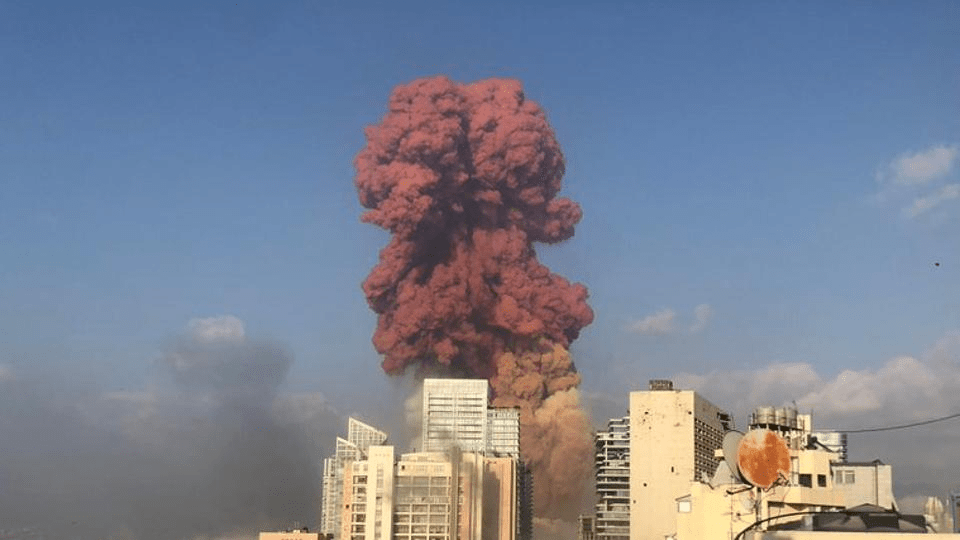
WHY IT MATTERS: The significant change in strategy towards Hezbollah in Lebanon could result in permanent geographic and demographic changes in Lebanon, as well as wider changes in the regional security arrangements.
BEHIND THE THINKING:
- Missed Opportunity: Israel missed a chance for a decisive victory in the recent conflict in 2024 due to a lack of strategic vision. Past rounds of conflicts resulted in temporary tactical wins but failed to achieve lasting security.
- Focus on Tactical Objectives: The IDF prioritizes short-term goals over long-term strategic objectives, leading to a cycle of repetitive conflicts.
- Proximity and Arsenal: Hezbollah is a more immediate threat than Iran due to its proximity to Israel and vast arsenal of UAVs and missiles.
- Weakening Iran Through Hezbollah: Defeating Hezbollah would significantly diminish Iran’s ability to threaten Israel and to retaliate to any new operation against Iran.
PROPOSED SOLUTION:
- Territorial Losses for Deterrence: Proposition for inflicting significant territorial losses on Hezbollah, specifically south of the Litani River, as a stronger deterrent than past strategies.
- Litani River as Strategic Barrier: strategic importance of the Litani River as a natural defense barrier, similar to the Golan Heights.
BLAST FOR THE PAST:
- Security concerns: Israel faced ongoing security threats and casualties from Hezbollah attacks in southern Lebanon, making the occupation costly and unsustainable.
- International pressure: There was growing international pressure, including from the United Nations, for Israel to withdraw from Lebanon and end its occupation.
- Strategic reassessment: Israeli leaders believed that maintaining a military presence in Lebanon did not serve their long-term strategic interests and that withdrawing would reduce tensions in the region.
- Domestic politics: There was public fatigue and opposition to the ongoing conflict in Lebanon, and withdrawing was seen as a politically popular move.
- Military capabilities: Israeli military leaders assessed that they could still effectively combat Hezbollah from outside Lebanese territory, using air power and other means.
- Cost-benefit analysis: The costs of maintaining the occupation, both in terms of human lives and financial resources, outweighed any perceived benefits for Israel’s security.
THE COLD, HARD TRUTH:
- Political and Legal Challenges: The proposal for territorial annexation raises complex political and legal issues.
- Management of Annexed Territory: The long-term implications of managing a potentially hostile population in the annexed territory are not fully addressed.
- International Support: The feasibility of achieving international support for such a strategy seems low.
READ MORE:
- https://www.israelnationalnews.com/news/388858
- https://www.tabletmag.com/sections/israel-middle-east/articles/last-lebanon-war
- https://www.cia.gov/readingroom/docs/CIA-RDP90-00965R000100150047-7.pdf
- https://today.lorientlejour.com/article/1358775/does-israel-have-territorial-ambitions-in-lebanon.html


 Cornellian Perspectives
Leave a comment