
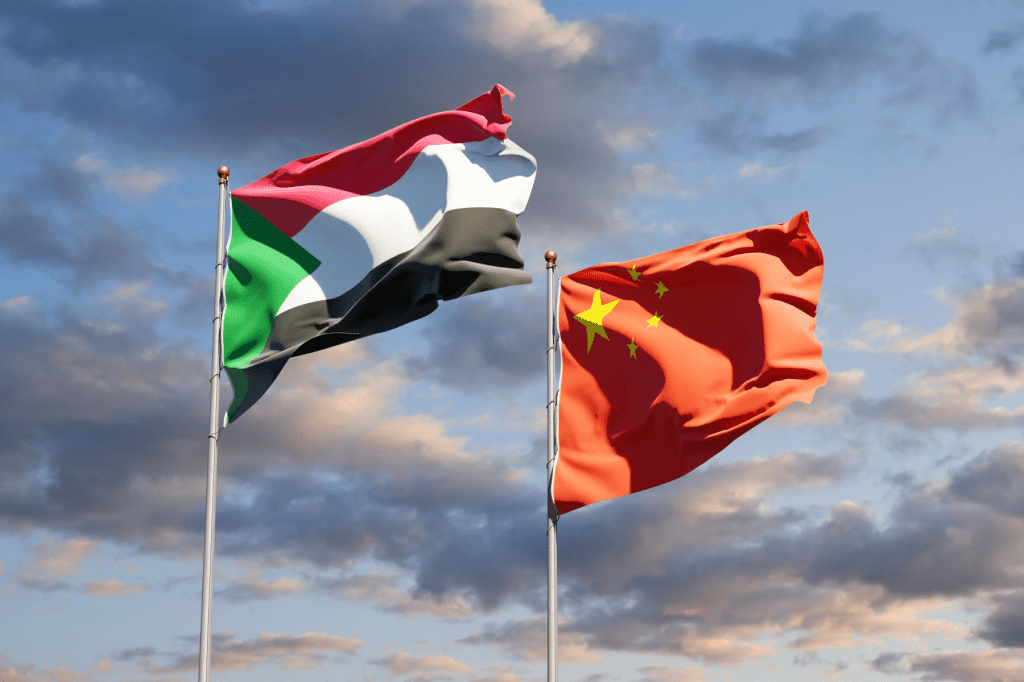
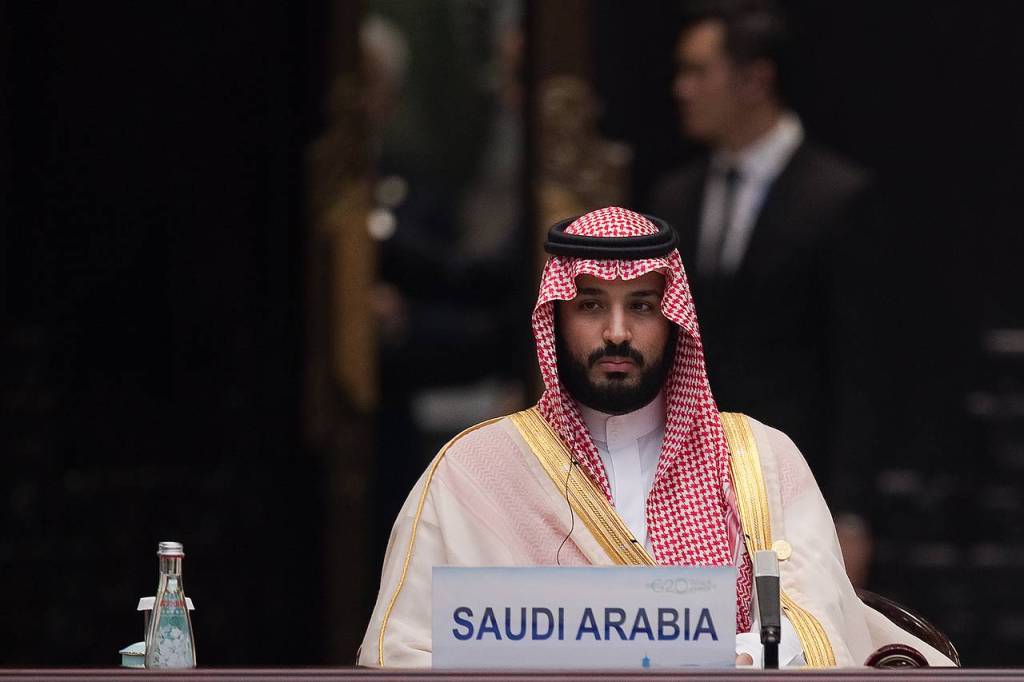
Zoom In. In March last year, Chinese Foreign Minister Wang Yi brokered a peace agreement between Saudi Arabia and Iran, showcasing China’s growing role in the Middle East. The agreement was seen as a significant diplomatic success, with China positioned as a trusted mediator between the two longtime rivals.
Wang’s ability to bring Saudi Arabia and Iran together was considered a notable achievement, especially when compared to the United States’ focus on regional security. This success underscored China’s emerging influence in the Middle East.
Zoom Out. Despite this diplomatic victory, China’s involvement in the region has been less pronounced in the past few months. As the Middle East experiences increased violence, China’s mediation efforts have been notably absent. This is surprising given China’s substantial investments and relationships in countries like Iran, Saudi Arabia, and Egypt.
China, often portrayed as a rising global power, has not taken significant steps to address the escalating crisis in the region. This has led to questions about China’s intentions and its commitment to regional stability.
The Big Picture. China’s primary interest in the Middle East has historically been energy security. The region supplies a significant portion of China’s oil, making it a vital strategic partner. However, China’s approach has been to coexist with the United States in the region, emphasizing economic ties and partnerships with Middle Eastern countries alongside existing U.S. relationships.
While Middle Eastern countries have welcomed China’s economic engagement, concerns have arisen regarding Chinese technological investments and their potential for espionage. Western governments have raised alarms about the security implications of Chinese investments in critical infrastructure.
Why This Matters: China’s recent actions, or lack thereof, highlight its focus on countering U.S. influence in the region rather than addressing pressing regional challenges. Despite decades of investment and diplomacy in the Middle East, China’s primary goal remains undermining U.S. dominance.
The current crisis, particularly the Houthi attacks on Red Sea shipping, directly impacts Chinese interests. The disruption in shipping routes affects global trade, including China’s supply chains. Chinese investments in the region, part of the Belt and Road Initiative, are also at risk due to the conflict.
China’s response to the crisis has been two-fold: criticizing U.S. actions and protecting its immediate economic interests. Chinese media has criticized U.S. diplomacy and bias towards Israel, while Chinese vessels are avoiding attacks by broadcasting their “all Chinese crew” status.
The bottom line. In essence, China’s approach in the Middle East during this crisis reflects a self-interested strategy that prioritizes economic gain and geopolitical positioning over broader regional stability.
For More: https://foreignpolicy.com/2024/02/14/red-sea-crisis-china-middle-east-strategy-egypt-yemen


 Cornellian Perspectives
Leave a comment