
China has become the first major country to take substantial steps regarding the legal status of the new Afghan government, more than two years after the Taliban’s return to power in Afghanistan.
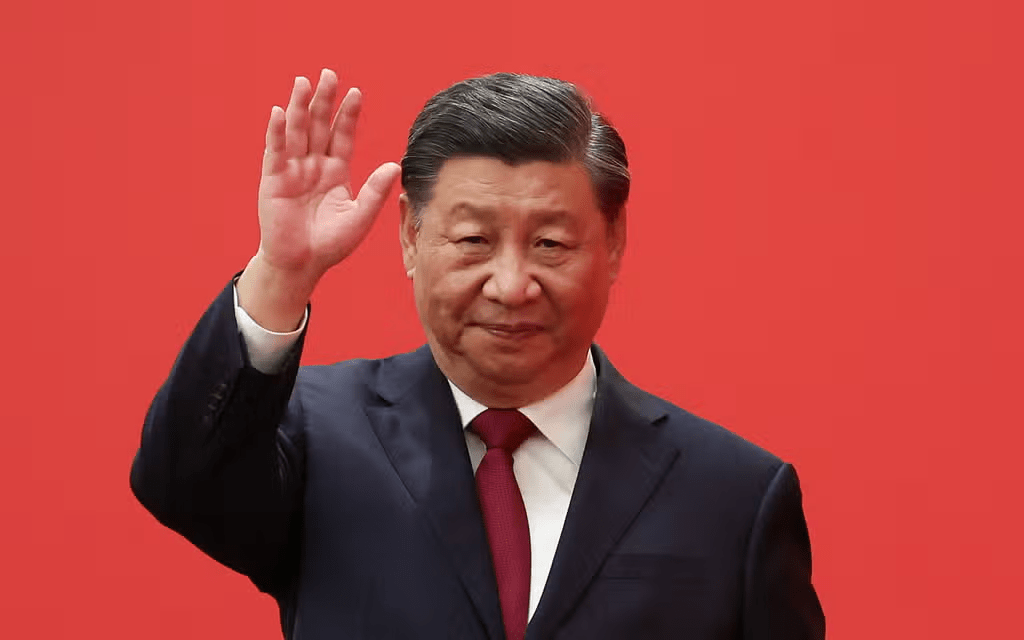
President Xi Jinping accepted ambassador credentials from the Afghan representative, Maulvi Asadullah, also known as Bilal Karimi, during a meeting. This meeting, according to the Afghan foreign ministry, made Karimi the ambassador extraordinary and plenipotentiary of Afghanistan to China.
While China has always maintained diplomatic ties with Kabul, Beijing’s foreign ministry spokesman Wang Wenbin described this move as a “normal diplomatic arrangement,” refraining from explicitly stating whether formal recognition was given.
Zoom in. Since the Taliban takeover of Kabul, countries like China, Pakistan, Russia, and others have kept their embassies open there. The Taliban, in turn, gained control of various Afghan diplomatic missions abroad, particularly in neighboring nations.
Currently, the Afghan Taliban has embassies in 14 countries, including Pakistan, Uzbekistan, and Tajikistan, but these governments have not formally recognized the Taliban’s rule.
Why this matters:
- The Taliban’s Desire for Recognition: Since their return to power, have sought official recognition. During their previous rule from 1996 to 2001, countries like Saudi Arabia, Pakistan, and the UAE recognized them. However, this time, their brutal reputation precedes them, leading to no formal recognition with economic and political sanctions from the US and EU due to human rights violations.
- Pakistan’s Changing Stance: Initially seen as a potential supporter, Pakistan has refrained from endorsing the Taliban’s case for recognition, waiting for a “regional decision.” Recent events, including militant attacks from Afghan soil into Pakistan and the expulsion of unregistered Afghan refugees by Islamabad, have strained Pakistan-Afghanistan relations.
- China’s Stance and Interests: China, by accepting the Afghan Taliban government’s control, is demonstrating its diplomatic stance, different from the West’s approach. This move by China may increase its soft power in Afghanistan. China’s strategic interests, include preventing terrorist spillover from Afghanistan, particularly the East Turkestan Islamic Movement (ETIM), which Beijing perceives as a threat to its Xinjiang region.
- China’s Economic Interest: Afghanistan’s resources are of interest especially minerals like copper, lithium, and rare earth elements crucial for Chinese industries. Afghanistan’s potential as a trade corridor connecting China to West and Central Asia also attracts Beijing.
- China’s Engagement with the Taliban: Beijing’s engagement with the Taliban includes potential cooperation on counter-terrorism and economic ventures. China has been exploring options to extend its Belt and Road Initiative (BRI) into Afghanistan, considering routes like the China-Pakistan Economic Corridor (CPEC) and the Indian-made Route 606 or NH49 to Iran’s Chabahar port. However, China’s investment approach has been cautious due to security concerns and uncertainty regarding Taliban assurances on foreign investments.
The Bottom Line. China’s active engagement with the Taliban signals a shift in Afghanistan’s diplomatic landscape. Beijing’s interests span economic, security, and strategic concerns, indicating a gradual increase in China’s involvement in Afghanistan’s affairs.
For More: https://www.newarab.com/analysis/why-china-edging-closer-recognising-taliban



 Cornellian Perspectives
Leave a comment