
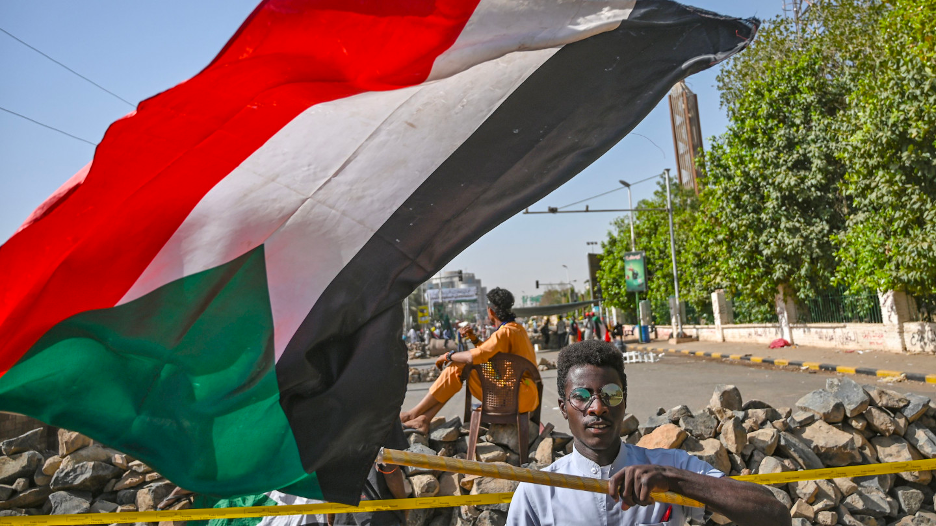
Zoom In. Sudan’s army is turning to Iran for military support, marked by a recent high-level visit from Sudan’s acting foreign minister Ali Al Sadiq to Tehran. This visit, the first of its kind in seven years, signals a warming of relations between the two countries as Sudan grapples with a civil war.
Iran has expressed support for a strong government in Sudan and the preservation of its territorial integrity. Plans to reopen embassies and share expertise in industry, engineering, and technology have been discussed. The re-establishment of diplomatic ties last October and previous meetings in Azerbaijan show the increasing closeness between Sudan and Iran.
Zoom Out. Sudan and Iran’s relationship soured in 2016 after Sudan cut diplomatic ties following an attack on Saudi Arabia’s embassy in Tehran. Historically, Sudan and Iran have had strong ties dating back to the 1990s, with Iran providing military and financial aid to Sudan.
The recent warming of relations is seen as Sudan’s attempt to receive military assistance amid setbacks against the Rapid Support Forces (RSF) in strategic areas. Sudan is reportedly interested in Iranian combat drones to bolster its military capabilities.
Despite concerns that Iranian aid may not tip the balance of the war, the Sudanese Armed Forces (SAF) could strategically use drones to target RSF positions. This move also signals the growing influence of Islamist sectors in Sudan’s military.
The Big Picture. The re-engagement with Iran also comes amidst a crisis with the UAE, which has supported the RSF. Sudan’s diplomatic shift raises questions about its alliances in the region and its approach to the ongoing civil conflict.
Iran, seeking strategic influence in the Red Sea region, sees Sudan as a valuable ally with access to the Red Sea, a crucial maritime route. This renewed relationship could have wider implications for regional geopolitics.
Why This Matters: Sudan’s pivot towards Iran for military support highlights the complexities of alliances and power dynamics in the region. It underscores the shifting sands of Middle Eastern geopolitics and the strategic interests of key players like Iran and the UAE in the Red Sea region.
For Sudan, this move represents a bid for bolstered military capabilities amidst a challenging civil conflict. The use of Iranian combat drones could potentially impact the dynamics of the conflict, although the full extent of this influence remains to be seen.
The bottom line. The diplomatic re-engagement also raises questions about Sudan’s stance on regional issues, such as the Israeli-Palestinian conflict. Sudan’s alignment with Iran on this matter signals a departure from its earlier steps towards normalizing relations with Israel, highlighting the complexities of its foreign policy decisions.
For More: https://www.newarab.com/analysis/why-sudans-army-pivoting-towards-iran



 Cornellian Perspectives
Leave a comment