
Political strife in the middle of Africa could have detrimental effect not only on the Sahel, but also implications in Sudan and Libya
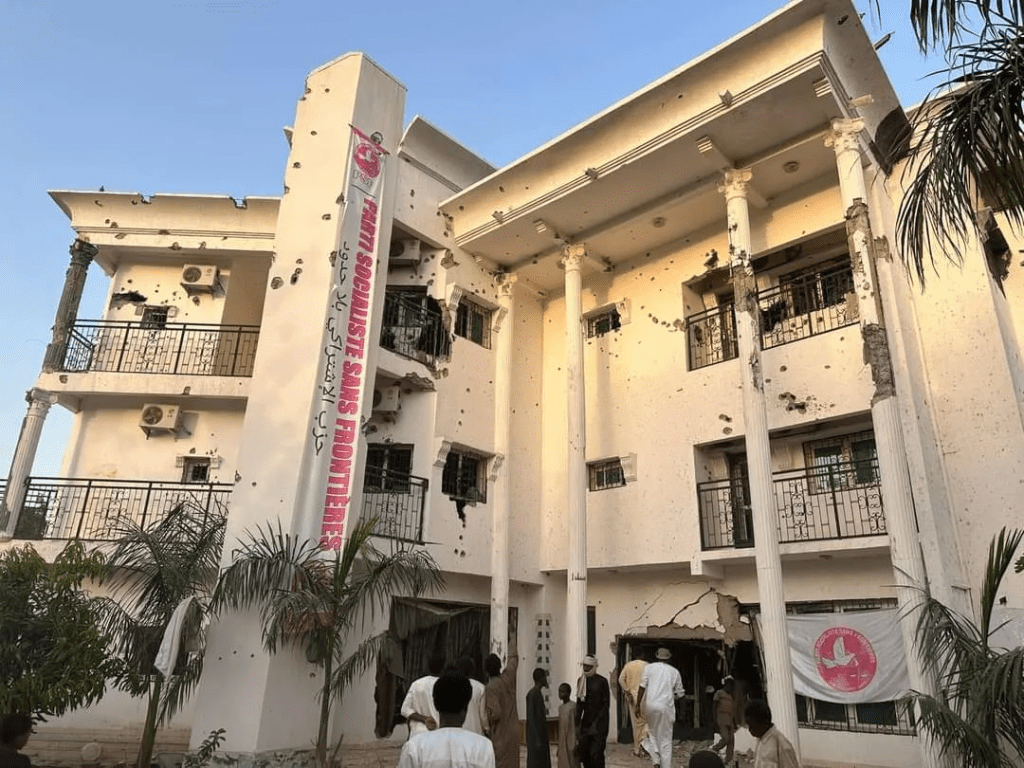
Gunfight: Clashes between opposition party and security forces rock N’djamena. Violence threatens fragile peace and could worsen refugee crisis.
Security tensions and Darfur Refugees: Over 550,000 Sudanese depend on Chad for safety. Refugees already face hunger, water shortages, and limited healthcare. Refugees are mostly residing in the east of the country. Upcoming presidential vote fuels political unrest. Chad has suffered from the incursion of Boko Haram in the West, ethnic and sectarian tensions in the south, tribal tension in the North.
Why it matters: Tension and political upheaval has been endemic in Sahel countries. Already Mali, Burkina Faso, Niger, Guinea, and Gabon have undergone coup d’etas. Sudan, Libya and Tunisia are in political turmoil and undergoing some form of security instability. Chad is a model country for resilience programming for WFP and the World Bank, an initiative funded by Germany and other donors to stabilize countries of the Sahel and provide livelihoods for migrants and refugees, in an effort to reduce migration through Chad to EU countries.
Zoom in: Government claims opposition plotted to assassinate judge, prompting arrest. Opposition denies allegations, accuses government of repression. Reports of deaths and potential targeting of opposition leader, echoing divide within the ruling tribe. Violence signals a period of potential political instability.
Refugee Impact: Chad’s internal conflict could draw in Sudanese refugees’ kin from Darfur. Further instability could worsen already dire humanitarian situation.
Looking Ahead: International community needs to monitor Chad’s political situation. Humanitarian aid crucial to support vulnerable refugees. Peaceful resolution to political tensions needed to prevent wider conflict, which could have spillover effects into neighboring countries and will effect short and long term solutions for curbing migration to the EU.
The Coups d’État of the Sahel Region: Domestic Causes and International Competition – Arab Center Washington DC


 Cornellian Perspectives
Leave a comment