
The catch: Despite the Biden administration’s efforts to restrict Iran’s oil revenue and curb funding for proxy militias, a recent New York Times investigation reveals a significant gap in US oversight. This gap allowed $2.8 billion worth of Iranian oil to be transported over the past year aboard 27 tankers, all insured by an American company.
Why it matters: This investigation exposes a significant gap in US oversight, allowing billions of dollars worth of Iranian oil to bypass sanctions through deceptive practices and potential loopholes. The lax enforcement and reliance on self-regulated compliance raise concerns about the effectiveness of current measures. The coming time will likely see increased scrutiny and potential adjustments to address these vulnerabilities in the sanctions regime.
Lax Oversight: The US could have disrupted the oil transport by simply advising the insurer, the New York-based American Club, to revoke coverage, a standard requirement for tankers to operate. However, despite possessing this knowledge, the US failed to take action, allowing the 27 tankers to complete at least 59 trips since 2023.
Red Flags Abound: These tankers exhibited several warning signs indicative of suspicious activity:
- Shell Companies: Owned by companies lacking transparency, often used to obscure true ownership.
- Older Vessels: More prone to safety hazards and potentially easier to employ for sanctions evasion.
- “Spoofing” Tactics: Broadcasting fake route information to hide true locations.
Identifying the Culprits: The New York Times utilized a database of thousands of tankers and their whereabouts, built using maritime data and satellite imagery. Cross-referencing suspicious vessel paths with information from TankerTrackers.com, a company specializing in oil shipping monitoring, helped identify the Iranian oil transporters.
Shifting Tides: Interestingly, following a Congressional hearing mentioning the American Club, the insurance for several identified tankers abruptly stopped. The company attributed this to internal investigations, while five vessels remain insured, with investigations ongoing.
Concerns and Scrutiny: This revelation has raised concerns among lawmakers and advocacy groups regarding the handling of Iran sanctions. Senator Maggie Hassan (D-NH) emphasized the need for stronger enforcement against deceptive ships, highlighting the potential consequences of such loopholes.
Treasury Response: The Treasury Department, in response to the Times’ findings, reiterated its focus on targeting Iran’s illicit funding sources, including exposing evasion networks and disrupting billions in revenue. They also mentioned recent actions against a Hong Kong-based company allegedly funding Iran’s Revolutionary Guards Corps.
The American Club’s Role: The insurance provided by companies like the American Club is crucial for tankers’ ability to operate. Most major ports require proof of liability coverage before allowing vessels to enter and conduct business. The American Club, the only US-based major insurer of its kind, emphasizes its strict compliance program. However, the company claims to be overwhelmed by the sheer volume of inquiries regarding potentially suspicious vessels, citing limitations in investigating individual cases.
Deceptive Tactics Explained: Shipowners willing to circumvent trade restrictions can earn higher profits. To maintain business ties with the West, including insurers, they may resort to deceptive tactics like:
- Ship-to-Ship Transfers: Exchanging goods with another vessel at sea, often used to conceal cargo origin, especially when combined with spoofing.
- Altering Physical Appearance: Instances of red tarps being spread over decks to disguise vessels from satellites were observed.
Spoofing Patterns: While deceptive, the tankers’ spoofing exhibited identifiable patterns. Many pretended to anchor off Oman or in the Persian Gulf for days while satellite imagery showed their absence. Some even broadcasted signals placing them on land or moving at impossible speeds.
Previous Sanctions Violations: Several of these tankers have a history of picking up oil in other countries under US sanctions, including Venezuelan oil, before transporting Iranian oil. It remains unclear if they were insured by the American Club at the time. Additionally, the Times identified one tanker likely evading Russian sanctions last year while insured by the American Club.
Potential Violation: Experts believe the American Club’s involvement could constitute a violation of sanctions. However, the company argues that clauses in their contracts, based on Treasury guidance, nullify coverage if a ship violates sanctions, protecting them from being complicit.
Limited Enforcement: The Treasury Department has only enforced sanctions against the American Club once in the past 20 years. In 2013, the office found the insurer had processed claims for ships violating sanctions on Cuba, Sudan, and Iran, imposing a $1.7 million penalty ultimately reduced to $348,000 due to the company’s apparent lack of “willfulness or recklessness.”
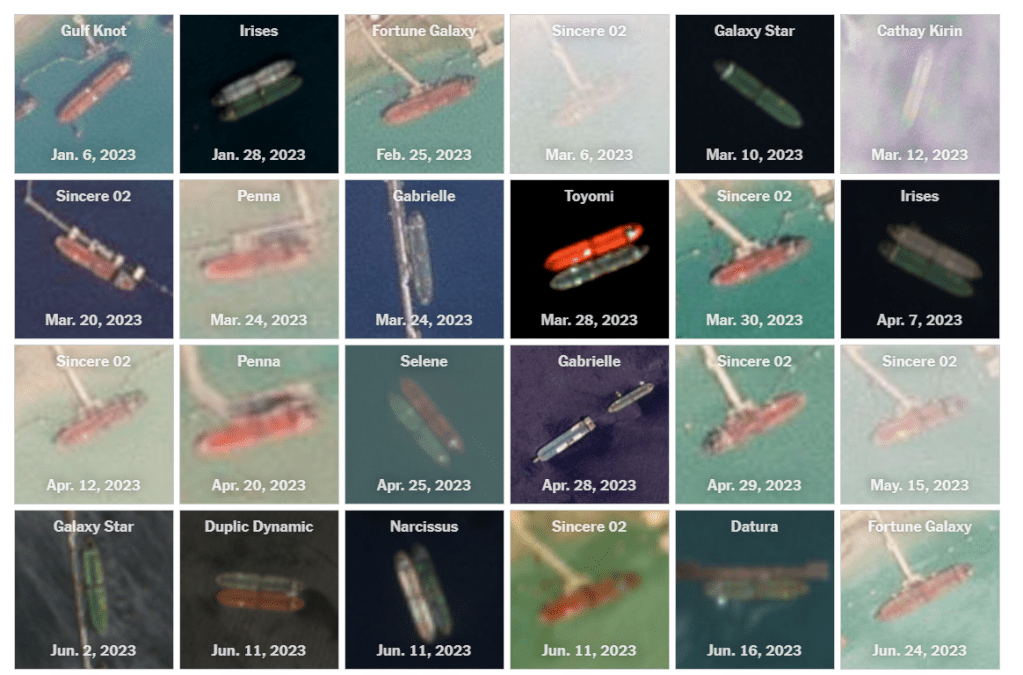
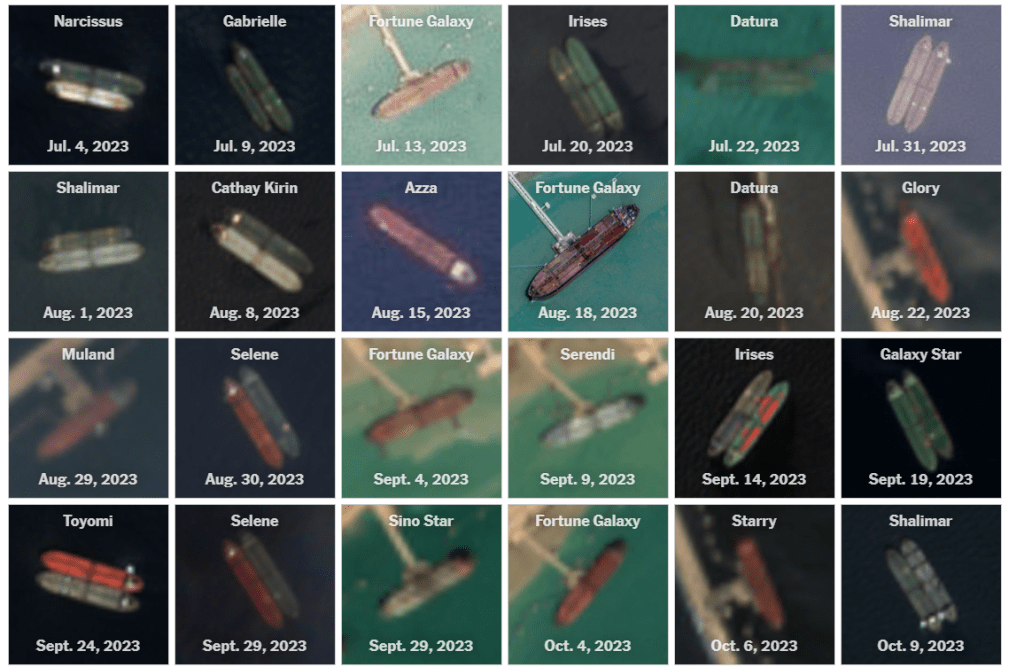
The Times found 27 ships picking up Iranian oil on at least 59 trips since 2023
Satellite imagery, much of it freely accessible to the public, captured the tankers during their oil transports.

https://www.nytimes.com/interactive/2024/02/16/world/middleeast/iran-oil-tankers-sanctions.html


 Cornellian Perspectives
Leave a comment