
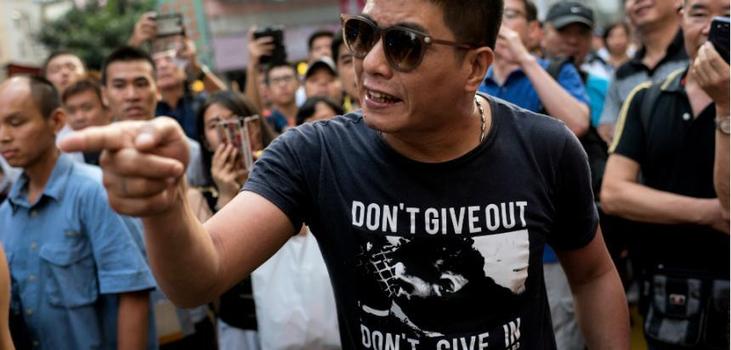
In China, as in 19th century Europe, rapid industrialization and a boom in international trade have led not to peace and understanding, but to increased military spending and the rise of populist nationalism. This is being encouraged by ruling elites to bolster their legitimacy in the face of social unrest.
Source: www.foreignpolicy.com
"In China, as in 19th century Europe, rapid industrialization and a boom in international trade have led not to peace and understanding, but to increased military spending and the rise of populist nationalism. This is being encouraged by ruling elites to bolster their legitimacy in the face of social unrest.
…
But the current rise of nationalist sentiment in Beijing has troubling implications for the fate of the democracy movement in Hong Kong. There is a danger that the Chinese leadership may see the protests not just as a dispute over local governance arrangements, but as a challenge to the coherence and identity of the Chinese state. In that case, the students could be grouped with the Tibetans and Uighurs as "splittists" and subject to harsh repression."

 Cornellian Perspectives
Leave a comment